


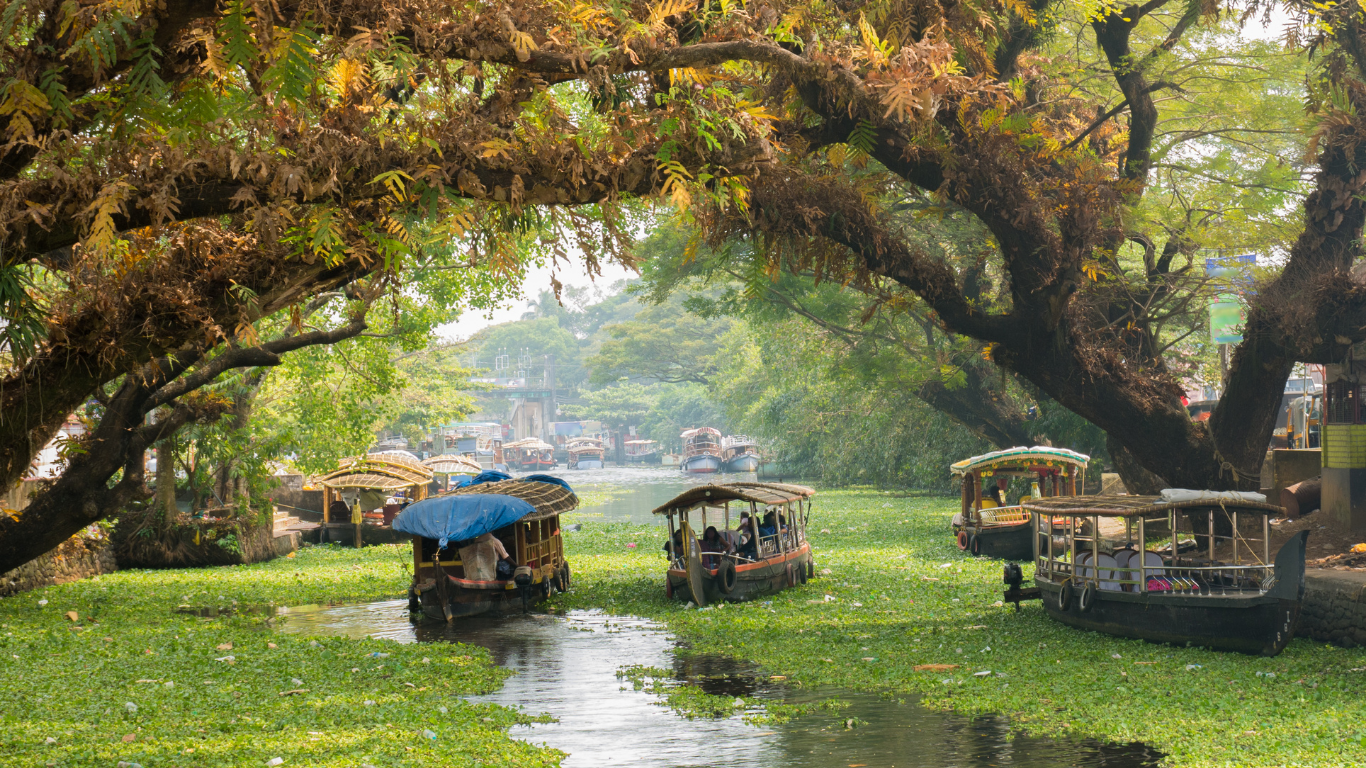
Kerala, known as “God’s Own Country,” is famed for its backwaters, lush greenery, and cultural heritage. While tourists often flock to the beaches and hill stations, the essence of Kerala lies in its villages, where traditions, simplicity, and a close-knit community life thrive. Kerala village tourism offers a unique and authentic experience, allowing visitors to immerse themselves in the rural lifestyle, understand local customs, and witness the untouched beauty of this serene land.
1. What is Kerala Village Tourism?
Kerala village tourism is about stepping away from the busy cities and crowded tourist spots to explore the quiet, peaceful villages. It gives travelers an opportunity to live like locals, engage in traditional activities, and experience rural life in its purest form. Whether it’s a stay at a local homestay, a peaceful boat ride through the backwaters, or learning the craft of coconut weaving, village tourism in Kerala offers an enriching, immersive experience.
2. Top Kerala Village Tourism Destinations
Here are some of the best villages to visit for a taste of Kerala’s rural life:
a. Kumarakom
Kumarakom, located on the banks of Vembanad Lake, is known for its serene backwaters and lush greenery. Staying in traditional houseboats, also known as “kettuvallams,” and floating through the calm waters is a quintessential Kerala experience. Visitors can also explore paddy fields, coconut groves, and bird sanctuaries, while getting a feel for the slow-paced village life.
b. Kumbalangi
Kumbalangi, located near Kochi, is widely recognized as a model tourism village and has been thoughtfully developed as a premier eco-tourism destination. In addition to its tranquil atmosphere, the village is famous for its rich biodiversity and picturesque surroundings. As a result, visitors have the unique opportunity to learn about traditional fishing techniques that have been practiced for generations. Furthermore, travelers can explore local crab farms and observe sustainable aquaculture practices firsthand. Beyond its natural beauty, Kumbalangi also offers immersive cultural experiences, such as coir-making and pottery, which reflect the region’s artistic heritage. Consequently, the village provides a harmonious blend of nature and culture. Therefore, it stands out as an ideal getaway for tourists seeking authentic and meaningful experiences near Kochi.
c. Varkala Sivagiri
Although Varkala is better known for its beach, the surrounding village area of Sivagiri offers a quieter, more traditional experience. Visitors can interact with local families, visit small farms, and learn about Ayurveda, the ancient healing system still practiced widely in Kerala. Sivagiri is also home to the Ashram of Sree Narayana Guru, a spiritual center that attracts pilgrims from across the state.
d. Wayanad
Nestled in the Western Ghats, Wayanad is a perfect example of Kerala’s village tourism, combining natural beauty with rural charm. The region is dotted with small villages surrounded by forests, coffee plantations, and wildlife. Visitors can take part in organic farming, trek through the wilderness, and interact with the tribal communities who have lived here for centuries, preserving their traditions and way of life.
3. Experiences to Enjoy in Kerala Villages
Here’s what you can look forward to during your Kerala village tourism experience:
a. Stay in Traditional Homestays
Kerala’s village tourism offers plenty of homestays where you can live with local families. This gives you a chance to see how the locals live, participate in their daily activities, and taste authentic Kerala cuisine prepared with fresh, homegrown ingredients.
b. Participate in Farming and Fishing
Kerala’s economy is heavily dependent on agriculture and fishing. As a visitor, you can help local farmers in their paddy fields, learn about organic farming techniques, or take part in traditional fishing using simple nets and canoes. This hands-on experience provides insight into the life of a Keralite farmer or fisherman.
c. Explore Village Crafts and Traditions
Kerala’s villages are widely known for their rich handicraft traditions, which have been preserved and passed down through generations. In particular, visitors can learn how local artisans transform coconut husks into durable coir products using traditional techniques. In addition, you can visit handloom weaving centers, where skilled craftsmen create beautiful textiles with precision and care. Furthermore, pottery workshops offer insight into how everyday items are shaped using simple tools and time-honored methods. In many cases, visitors even have the opportunity to participate in these activities themselves. As a result, you not only gain a deeper appreciation for Kerala’s artisanal heritage but also have the chance to take home a meaningful, handcrafted souvenir that reflects the region’s cultural richness.
d. Backwater Cruising and Canoe Rides
Many of Kerala’s villages are situated along the backwaters, offering peaceful boat rides. Whether in a large houseboat or a small canoe, floating through the narrow canals surrounded by coconut trees and traditional houses is a magical experience.
4. Cultural Immersion in Kerala’s Villages
Kerala’s villages are the perfect places to experience the region’s rich cultural heritage. Visitors can witness traditional art forms like Kathakali, Mohiniyattam, or Theyyam, which are often performed during festivals. You can also explore Kerala’s temple architecture and participate in age-old rituals, like Ayurvedic treatments and village festivals that celebrate the harvest or deities.
5. Why Choose Village Tourism in Kerala?
Village tourism offers a more personal and enriching travel experience compared to typical tourist spots. You are not just a spectator but a participant in the life and culture of Kerala’s villages. It’s a chance to:
- Disconnect from the fast-paced city life and reconnect with nature.
- Experience authentic Kerala culture and hospitality.
- Learn about traditional farming, fishing, and handicrafts.
- Support local communities by contributing to sustainable tourism.

